

- Tree height plays a key role in avalanche protection: A protection forest only effectively prevents avalanches once the trees are twice as high as the snowpack.
- Tree species influences snow retention: Evergreen conifers such as spruce or Swiss stone pine hold back more snow than larch trees.
- Important practical implications: The results of the SLF study will help plan robust protection forests in the face of climate change.
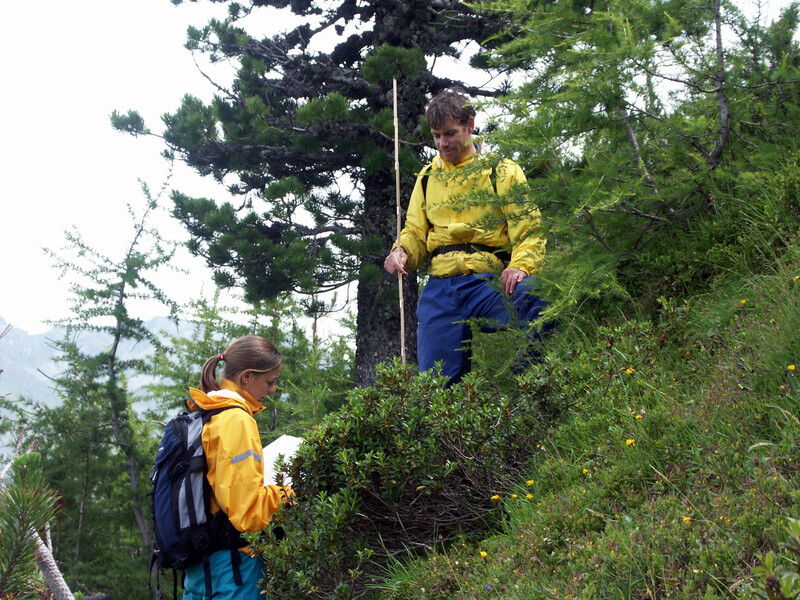
Forests protect against avalanches, but not every protection forest is equally effective. Thanks to almost 50 years of observations at the Stillberg afforestation site , SLF researchers have gained insight into how the avalanche protective function of afforestation changes over time and from which point it effectively prevents avalanches. "Trees only really prevent avalanches once they are at least twice as high as the snowpack," explains Peter Bebi, head of the Mountain Ecosystems research group. Through their work, he and his team are improving the scientific basis for the rules of thumb that are applied in practice.
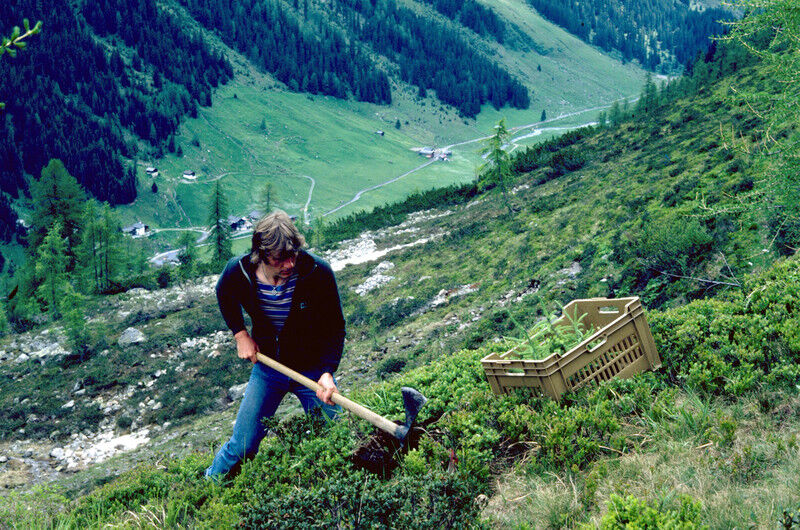
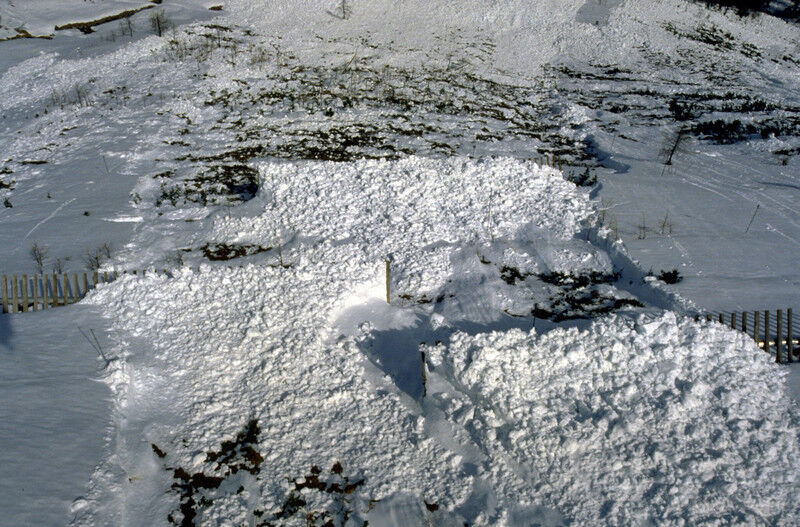
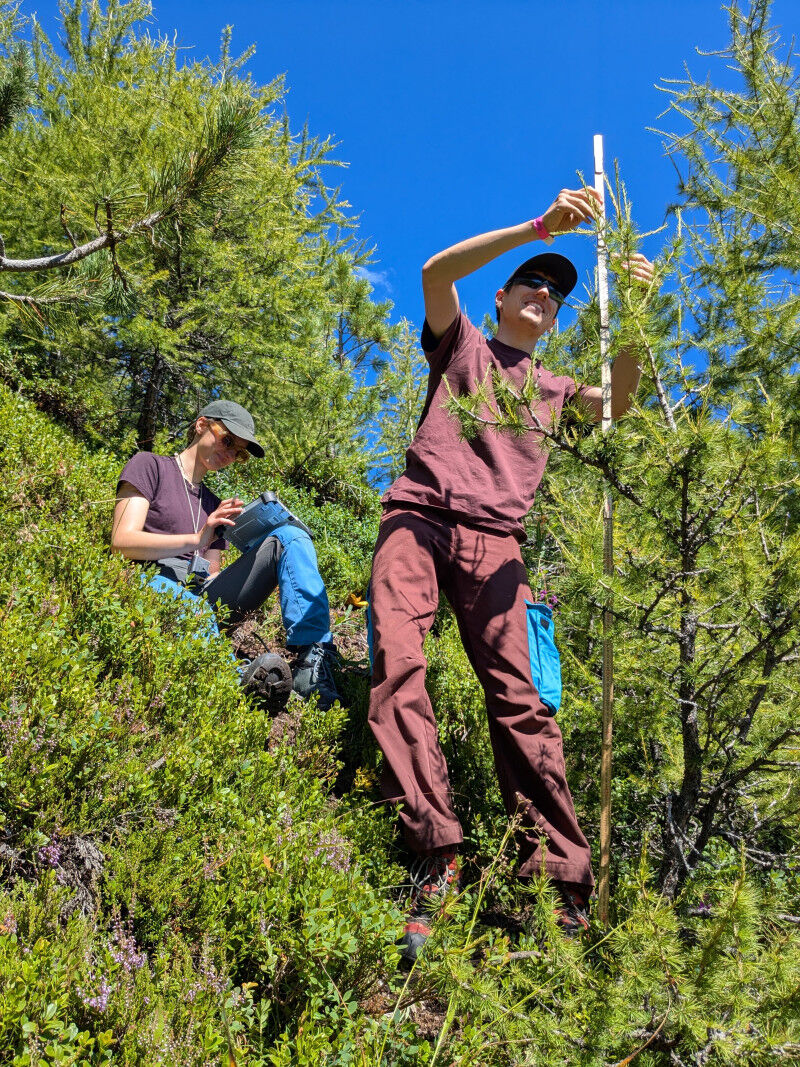
The long-term project at Stillberg celebrates its 50th anniversary this September. At the start of the project, researchers planted around 92,000 seedlings of Swiss stone pine, mountain pine and larch on this steep slope, which is at an incline of around 38 degrees, above the Dischma Valley near Davos. It is probably the world’s oldest and most significant long-term experiment above the treeline. In the years that followed, scientists closely monitored how the forest developed, regularly measuring the trees and, in winter, the snowpack, and observing a total of 214 avalanches in the area. Until the 1990s, avalanches frequently occurred on the Stillberg site. Then came the turning point: more and more trees were now at least twice as high as the snowpack. "After that, there were significantly fewer avalanches, almost all’of them in individual channels where most of the trees had already died early on," says Bebi.
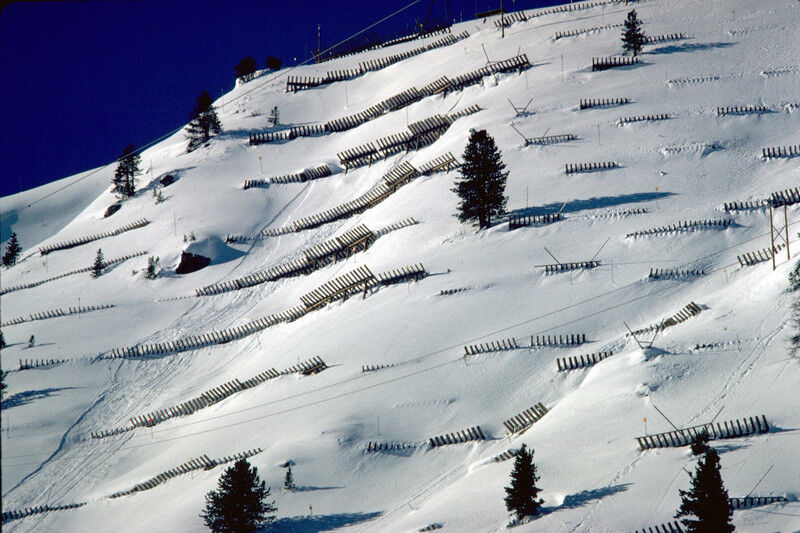
Climate change will also play a role in future projects. Larch trees in particular have benefited from warmer temperatures in recent years and show that avalanche protection forests can also be effective at higher altitudes in the future. It would be even more useful if other tree species were to follow suit. However, there are greater risks to the long-term preservation of the protective function if only one tree species predominates or if the trees are all the same age. Bebi therefore recommends specifically promoting the diversity of tree species and forest structures in mountain forests, including at higher altitudes.
Growing trees decrease the frequency of avalanche release in an alpine afforestation in the Swiss Alps - the study is freely accessible.
WSL and SLF provide image and sound material free of charge for use in the context of press contributions in connection with this media release. The transfer of this material to image, sound and/or video databases and the sale of the material by third parties are not permitted.