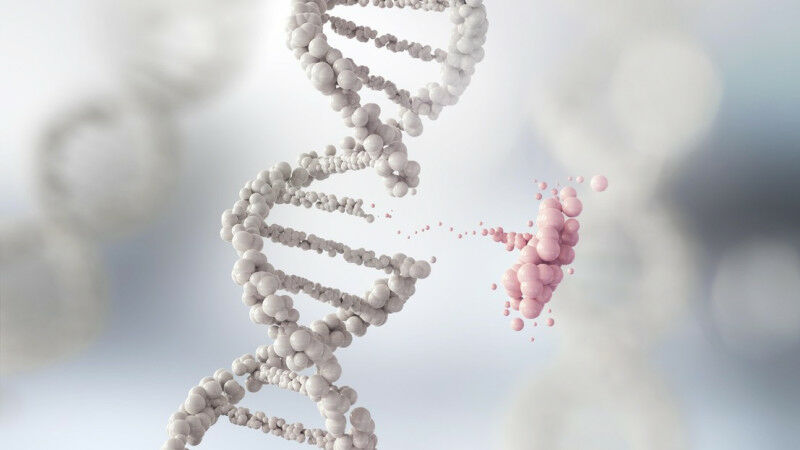
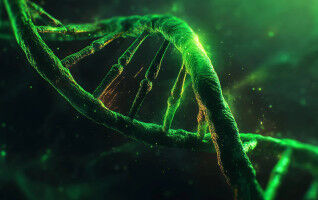
Using CRISPR technology, researchers at EPFL and the University of Geneva have uncovered the complex dance of genes involved in embryonic development. The rapid scientific advancements that followed the mapping of the human genome have revealed just how staggeringly complex the world of genetics is. We now know that proteins are not just the products of genes, but that they also interact with genes, influencing and regulating the rhythm of their expression. A typical example of this are transcription factors, which begin the transcription of genes from DNA into mRNA - the first step to making a protein. But how do genes "know" when to turn on, what to make, and when to stop? How do they work as part of intricate molecular machinery without being confused with other nearby genes? These are the questions that drive a new study from Professor Denis Duboule, who runs research groups at EPFL and the University of Geneva. Their work is now published in Genes & Development . Rita Amandio, Leo Beccari and their colleagues from this laboratory were interested in a particular zinc finger protein known as CTCF, which is peculiar because it's really a multifunctional protein; depending on the cell's needs, it can either turn on gene transcription, or repress it.
TO READ THIS ARTICLE, CREATE YOUR ACCOUNT
And extend your reading, free of charge and with no commitment.