

New Circuit Model Offers Insights into Brain Function
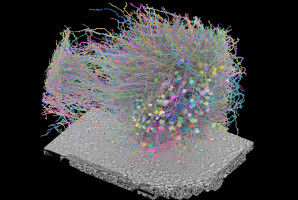
Scientists at EPFL have developed a computational model of the thalamic microcircuit in the mouse brain, offering new insights into the role this region plays in brain function and dysfunction. The thalamus and thalamic reticular nucleus are situated at the heart of the mammalian brain and are known to play a key role in a wide range of functions, including the transmission of sensory information to the cortex and the transition between brain states such as sleep and wakefulness. However, alterations in thalamic neuron firing and interconnectivity have been linked to pathological brain rhythms and changes in the rhythmic brain waves that occur during sleep, which have been observed in disorders such as schizophrenia, neurodevelopmental disorders, attention deficit hyperactivity disorder, and Alzheimer's disease. The new model developed by the Blue Brain team is the first to capture the complex shapes and biophysical properties of 14,000 neurons connected by 6 million synapses. It can be used to explore the structural and functional complexity of neural circuits. The model also replicates multiple independent network-level experimental findings across different brain states, and provides a novel unifying cellular and synaptic account of spontaneous and evoked activity in both wakefulness and sleep. One of the key findings of the study is that inhibitory rebound, a process that helps to regulate the activity of nerve cells, produces an enhancement of thalamic responses during wakefulness at certain frequencies.