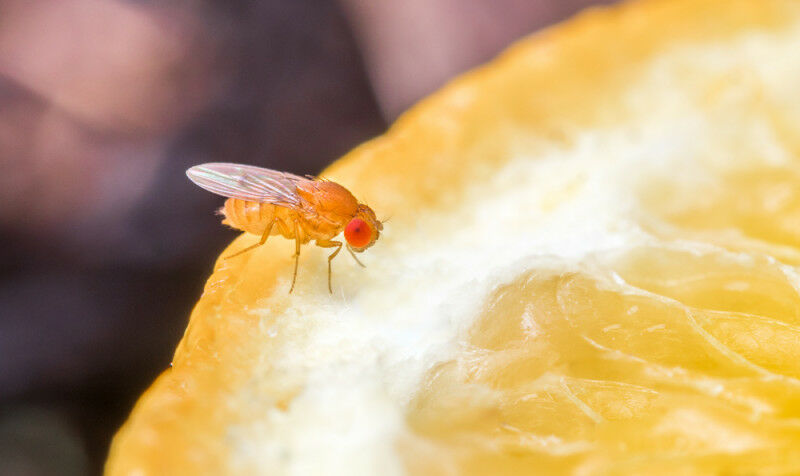
(© Image: Depositphotos) - Researchers at EPFL reveal how Drosophila's Turandot proteins protect against immune self-harm. The study is the first to identify some proteins that protect against antimicrobial peptides offering insights into cellular resilience mechanisms with potential therapeutic applications. In the constant battle between organisms and pathogens, our immune system plays the role of a vigilant guardian. Yet, this defense can sometimes turn into a double-edged sword, harming the very tissues it's meant to protect. Now, a study from the group of Bruno Lemaitre at EPFL sheds light on a novel aspect of this balance, focusing on the fruit fly, Drosophila melanogaster , and a family of proteins called Turandot (like Puccini's opera), known for being expressed during stress and immune responses but with unclear functions. The study, published in Current Biology , shows how the Turandots protect against damage from the fruit fly's own immune system. Drosophila, a model organism used widely in biological research, employs antimicrobial peptides (AMPs), which can destroy pathogens by disrupting their cell membranes.
TO READ THIS ARTICLE, CREATE YOUR ACCOUNT
And extend your reading, free of charge and with no commitment.
Your Benefits
- Access to all content
- Receive newsmails for news and jobs
- Post ads