

Could it be that, in some cases, the introduction of a species outside its natural range can have positive effects on biodiversity? This was the question posed by Zoé Bescond-Michel, Giovanni Vimercati and Sven Bacher of the Biology Department at the University of Fribourg. given the decline in animal populations, particularly of large herbivorous mammals such as elephants, buffalo and camels, there is growing interest in introducing them outside their native range for conservation purposes", explains Giovanni Vimercati. He adds: ’For the advocates of this strategy, these reintroductions would also make it possible to restore ecological processes that have disappeared over the centuries, such as seed dispersal or nutrient recycling, and thus revitalize ecosystems degraded by human activities’.
However, specialists in the field of introduced species warn against introducing the wolf into the henhouse. There is no shortage of examples of species that have been introduced, intentionally or otherwise, and have proved uncontrollable, sometimes with harmful consequences for local species
Objective, standardized risk assessment
The scientists from the University of Fribourg noted that, until now, studies had focused on the negative impacts of introduced species on biodiversity. They believe that a more nuanced approach is needed. most specialists in the field recognize that there can be positive effects for native species," explains Sven Bacher. A newly introduced species may, for example, take on the ecological role of another species that has disappeared, or serve as a food resource for native predators. However, we don’t yet know to what extent these potential positive effects actually exist.To find out, the three scientists from the University of Fribourg analyzed a total of 2021 impacts, both positive and negative, associated with the introduction, for various reasons, of large herbivorous mammals outside their natural range around the world. To compare these impacts, they used two analytical frameworks developed over the last decade in collaboration with an international team of researchers.
The first, entitled EICAT (Environmental Impact Classification for Alien Taxa) assesses the negative ecological impacts of introduced species on native biodiversity. This analysis grid has been officially adopted as a global standard by the International Union for Conservation of Nature (IUCN).
The second, EICAT+, takes up the basic principles of EICAT to examine the extent to which these species could help to halt the decline in local biodiversity
The cure often worse than the disease
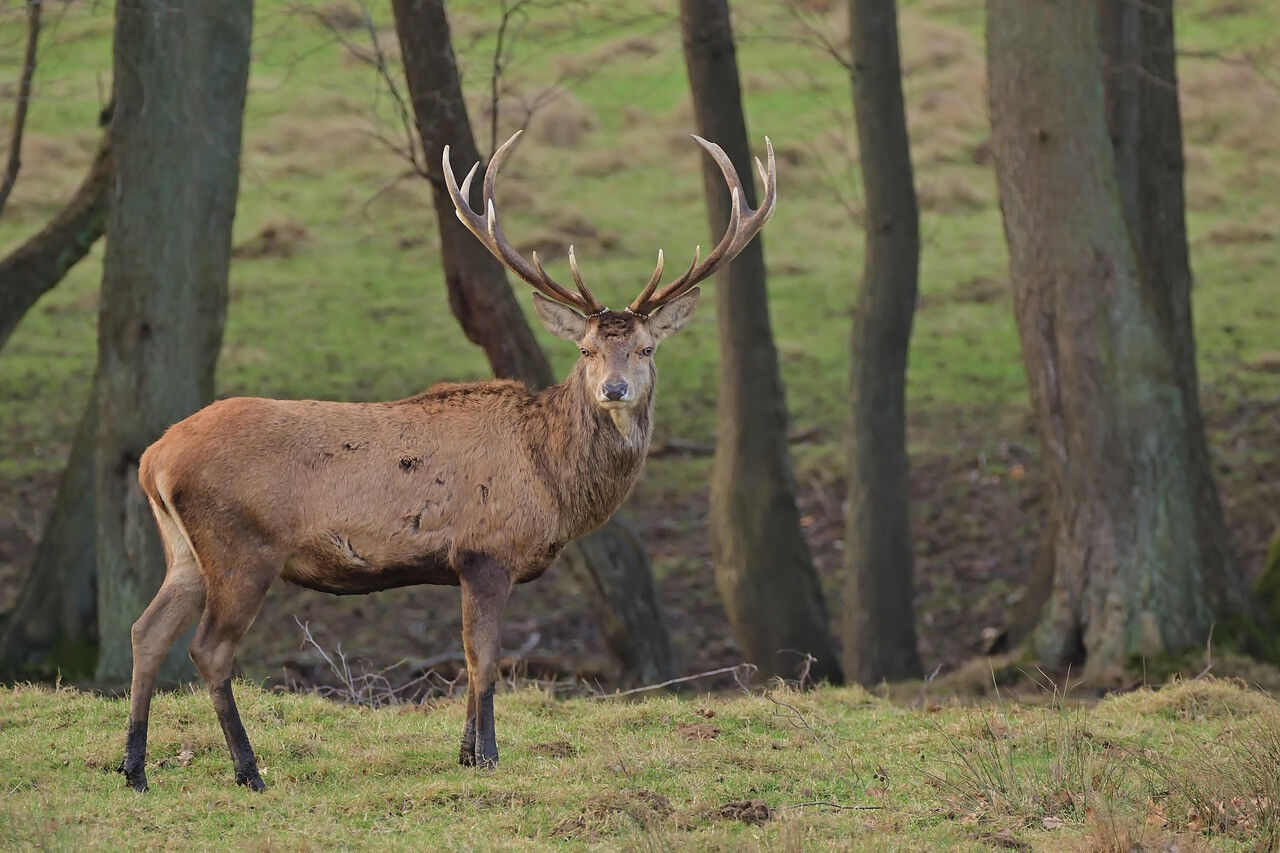
The results of these analyses have just been published in the journal Nature Communications. For Zoé Bescond-Michel, they are a real wake-up call: ’By studying these cases of introduction of large herbivorous mammals - such as deer, horses or buffalo - outside their native range, we have found that these actions, despite the best of intentions, often cause more harm than good to local biodiversity.’Worse still, the scientists found only one species, the hog deer(Axis porcinus), for which no negative impact has been reported in the scientific literature! the conclusion is simple," continues Zoé Bescond-Michel, "only one in five of these large introduced herbivores had a positive impact.
In particular, the scientists found that island ecosystems and species at the top of the food chain were the most vulnerable to the impacts of introduced herbivores.
In some regions, for example, introduced deer species(Cervus elaphus, Cervus nippon and Muntiacus reevesi) have actually enabled rare native plants to thrive, by grazing on their competitors. this positive effect, however, comes at the expense of other local species, which these introduced herbivores prefer to consume", immediately tempers Sven Bacher
Consequences for conservation strategies
Even when the team of scientists tried to take positive effects into account, they proved to be few and far between. What’s more, the magnitude of the benefits diminished over time - in contrast to the negative impacts, which remained constant and on average greater than the beneficial effects.Because of this asymmetry, the three researchers are now urging their colleagues to reconsider arguments in favor of introducing non-native species as part of functional renaturation projects or as a response to the effects of climate change.
The authors also recommend carefully weighing up the risks and benefits before any intervention. if certain threatened species are introduced outside their natural range for conservation purposes, they may play an ecological role there, but they may also become invasive, threatening other already fragile species, concludes Giovanni Vimercati, so it’s better to prevent than to reintroduce!