





news
Swiss Federal Institute of Technology Lausanne, EPFL
Results 721 - 740 of 1376.
Computer Science - 29.05.2020

EPFL researchers have developed a new tool called USBFuzz, which they have already used to detect 26 vulnerabilities in the USB driver stacks of widely used operating systems including Linux, Windows, and macOS. USB driver stacks are components that help computers communicate with external devices via the Universal Serial Bus (USB) connection.
Materials Science - Physics - 26.05.2020

Scientists at EPFL have been able to observe single protons moving at the interface between water and a solid surface. Their research reveals the strong interactions of these charges with surfaces. The H+ proton consists of a single ion of hydrogen, the smallest and lightest of all the chemical elements.
Architecture & Buildings - 20.05.2020

In a new book, researchers from EPFL examine the history of organic architecture, complete with telling examples of the genre, from its emergence in the early 20th century to the present day.
Life Sciences - Health - 18.05.2020
A deeper connection to hyaline fibromatosis syndrome
EPFL scientists have uncovered the molecular biology behind Hyaline Fibromatosis Syndrome, a severe genetic disease. Hyaline Fibromatosis Syndrome (HFS) is a rare but severe genetic disease that affects babies, children, and adults. Hyaline, a glassy substance, accumulates in the skin and various organs, and causes painful deformities that can lead to an early death.
Life Sciences - Health - 15.05.2020
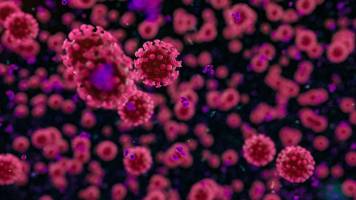
EPFL scientists have developed a new computational approach to create artificial proteins, which showed promising results in vivo as functional vaccines. This approach opens the possibility to engineer safer and more effective vaccines. Vaccines are one of the most effective interventions to prevent the spreading of infectious diseases.
Physics - 13.05.2020
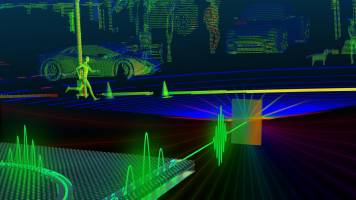
LiDAR is a technique used for measuring distances with laser light. In a study published in Nature, researchers at EPFL show a new way to speed up a type of LiDAR engine by using photonic circuits. Light detection and ranging (LiDAR) comprised an array of techniques using laser light to measure distances by multiplying the time delay between transmitted and received optical signals with the speed of light.
Physics - 12.05.2020
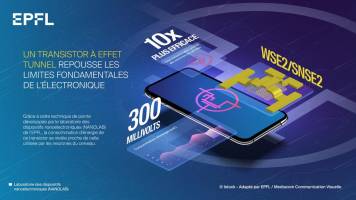
Researchers at EPFL's Nanoelectronic Devices Laboratory (Nanolab), working under Professor Adrian Ionescu, have designed and demonstrated a new type of technology based on 2D semiconducting materials that's almost as energy-efficient as the human brain. Smartphones, laptops and smartwatches consume vast quantities of energy, yet only around half of this energy is actually used to power important functions.
Life Sciences - Pharmacology - 11.05.2020
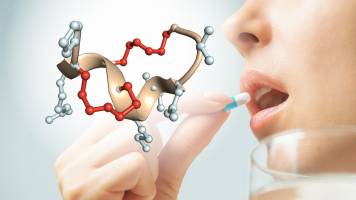
Peptides represent a billion-dollar market in the pharmaceutical industry, but they can generally only be taken as injections to avoid degradation by stomach enzymes. Scientists at EPFL have now developed a method to generate peptides that resist enzymatic degradation and can be taken orally. Peptides are short chains of amino acids that occur in our body, in plants or bacteria to control diverse functions.
Environment - Materials Science - 06.05.2020
Filtering out toxic chromium from water
EPFL chemists have developed sponges to capture various target substances, like gold, mercury and lead, dissolved in solution. The sponges are actually porous crystals called metal organic frameworks, and now one exists for capturing toxic hexavalent chromium from water. Hexavalent chromium continues to contaminate water sources around the world, with one US company fined just this February for having put employees at risk.
Health - Environment - 30.04.2020
Covid-19: using wastewater to track the pandemic
EPFL researchers, working in association with the Swiss Federal Institute of Aquatic Science and Technology (Eawag), have developed a method for detecting the novel coronavirus in wastewater samples. Their method has been tested successfully on samples collected during the first phase of the pandemic, paving the way to an early-stage warning system.
Health - Administration - 27.04.2020

Researchers have modeled the effects of containment and social distancing measures implemented by the Italian government to prevent the spread of COVID-19. Their findings show that contagion transmission was reduced by 45% in March. The model will now be used to analyze possible future scenarios. Since the beginning of the COVID-19 pandemic, mobility restrictions and social distancing measures implemented by the Italian government have avoided at least 200,000 hospitalizations and, over time, reduced contagion transmission by 45%.
Health - Pharmacology - 23.04.2020
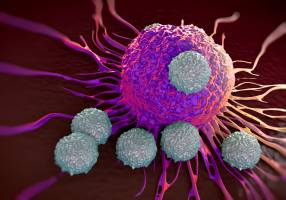
EPFL scientists have identified a key mechanism that tumor cells use to take advantage of and avoid detection from the immune system. Targeting this mechanism offers a new therapeutic strategy for cancers like Non-Hodgkin lymphoma. Non-Hodgkin lymphoma (NHL) is a group of cancers that originate in the lymph nodes and affect white blood cells of the immune system called B cells.
Physics - Electroengineering - 20.04.2020

Using integrated photonic chips fabricated at EPFL, scientists have demonstrated laser-based microwave generators. These microwave signals, as well as their optical carriers, could be used in radars, satellite communications and future 5G wireless networks. In our information society, the synthesis, distribution, and processing of radio and microwave signals are ubiquitous in wireless networks, telecommunications, and radars.
Physics - 17.04.2020
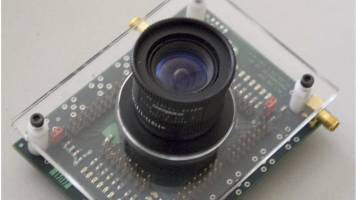
EPFL scientists, working in association with Canon, have developed a camera that can take 3D images with record-breaking speed and resolution "It's something I'd been dreaming of for a long time," says Edoardo Charbon, an EPFL professor and head of the Advanced Quantum Architecture Laboratory in EPFL's School of Engineering.
Life Sciences - Chemistry - 14.04.2020

Scientists at EPFL have developed an artificial protein that can keep the CRISPR genome-editing tool on its tracks. The research appears in a paper Chemical Biology A team at EPFL's Laboratory of Protein Design & Immunoengineering (LDPI), led by Professor Bruno Correia, working with Dominik Niopek's lab at Heidelberg University Hospital and the BioQuant Center, Heidelberg, Germany, have designed a protein (AcrX in short), using computational approaches, that can control CRISPR genome-editing in human cells.
Environment - Social Sciences - 14.04.2020
Evaluates the effects of the COVID-19 lockdown on well-being
A new nationwide study being conducted jointly by EPFL, the Idiap Research Institute and the University of Lausanne (UNIL) aims to understand the emotional effects of the lockdown on Swiss residents and what steps they are taking to cope with it. The findings will be used to develop better support strategies for the future.
Health - Computer Science - 02.04.2020

The MedCo system aims to facilitate medical research on pathologies - such as cancer and infectious diseases - by enabling secure computations on decentralized data. The unique software has recently been deployed at three Swiss hospitals. MedCo was first released in 2019 as the first operational system to protect sensitive patient data so that it can be used collectively for medical research.
Health - 27.03.2020
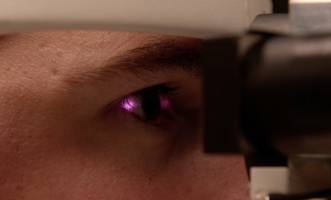
EPFL researchers have developed a device that can zoom in on previously invisible cells at the back of the eye. The technology could be extremely useful for ophthalmologists, in particular for detecting age-related macular degeneration early and assessing new treatment options. There is renewed hope for people with eyesight problems such as age-related macular degeneration, or AMD.
Physics - Electroengineering - 25.03.2020

Researchers at EPFL have developed a nanodevice that operates more than 10 times faster than today's fastest transistors, and about 100 times faster than the transistors you have on your computers. This new device enables the generation of high-power terahertz waves. These waves, which are notoriously difficult to produce, are useful in a rich variety of applications ranging from imaging and sensing to high-speed wireless communications.
Environment - Life Sciences - 22.03.2020
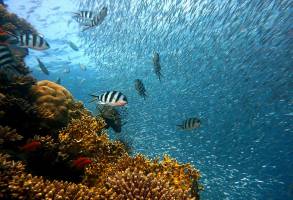
Climate change is threatening the world's coral reefs, and saving them all will prove impossible. A team from EPFL has developed a method for identifying corals with the greatest adaptive potential to heat stress. The research, published in the journal Evolutionary Applications, should support improved and better-targeted marine biodiversity conservation strategies.


