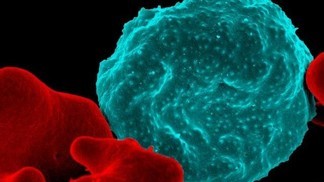
Global kinomic and phospho-proteomic analyses of the human malaria parasite Plasmodium falciparum. The role of protein phosphorylation in the life cycle of malaria parasites is slowly emerging. Here researchers from the Inserm-EPFL Joint Research Unit , headed by Christian Doerig , together with colleagues from UK and India, combine global phospho-proteomic analysis with kinome-wide reverse genetics to assess the importance of protein phosphorylation in Plasmodium falciparum asexual proliferation. They identified 1177 phosphorylation sites on 650 parasite proteins that are involved in a wide range of general cellular activities such as DNA synthesis, transcription and metabolism as well as key parasite processes such as invasion and cyto-adherence. This study not only reveal processes that are regulated by protein phosphorylation, but also define potential anti-malarial drug targets within the parasite kinome. Lev Solyakov et al. Nature 2, Article number: 565 doi:10.1038/ncomms1558 (2011)
PER LEGGERE QUESTO ARTICOLO, CREA IL TUO ACCOUNT
Ed estendere la vostra lettura, gratuitamente e senza alcun impegno.
I vostri vantaggi
- Accesso a tutti i contenuti
- Ricevere newsmail per le novità e le offerte di lavoro
- Pubblicare annunci