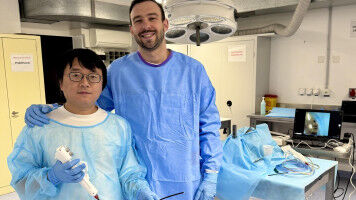
A food DNA sequencing workshop hold by EPFL’s Digital Epidemiology Lab in 2019
A food DNA sequencing workshop hold by EPFL's Digital Epidemiology Lab in 2019 © Alain Herzog / EPFL - Summer series: How science works From data collection to environmental and public-health advocacy, amateur scientists make a valuable contribution to scientific research. It's 6:30pm on Tuesday, 29 June. From the couch in my Geneva apartment, I'm working on a project for EPFL's Digital Epidemiology Lab - even though I know nothing about epidemiology and nobody at the lab even knows I'm taking part. But as an engaged citizen, I can lend a hand - or at least a finger, by clicking on the mouse button. My contribution consists of going through tweets that mention COVID-19. Here's one about a dream that turned into a nightmare; one about a town announcing that a new segment of the population could get vaccinated; one discussing concerns that the vaccine could lower male fertility; and one relaying a news article on how the Zambian government is worried about dwindling oxygen supplies. My job is to categorize each tweet.
UM DIESEN ARTIKEL ZU LESEN, ERSTELLEN SIE IHR KONTO
Und verlängern Sie Ihre Lektüre, kostenlos und unverbindlich.
Ihre Vorteile
- Zugang zu allen Inhalten
- Erhalten Sie Newsmails für Neuigkeiten und Jobs
- Anzeigen veröffentlichen