



Engineering sciences - Agronomy & Food Science
Mineralized dental plaque from the Iron Age provides insight into the diet of the Scythians

Researchers have deciphered the diet of an important nomadic people in Eastern European history. By analyzing dental calculus, they have provided the first direct evidence that the diet of the Scythians included milk from various ruminants and horses.
Pesticides Significantly Affect Soil Life and Biodiversity
Seventy percent of soils in Europe are contaminated with pesticides. A Europe-wide study co-led by researchers of the University of Zurich now shows that their effects on soil life are substantial, as pesticides suppress various beneficial soil organisms. To protect soil biodiversity, the findings should be taken into account in current pesticide regulations.
Watch out: Plant-based food supplements can be dangerous!

A study carried out under the direction of the University of Fribourg in collaboration with the University of Lausanne and the University of Geneva shows that the majority of food supplements based
Insects in a burger? Only if it tastes good
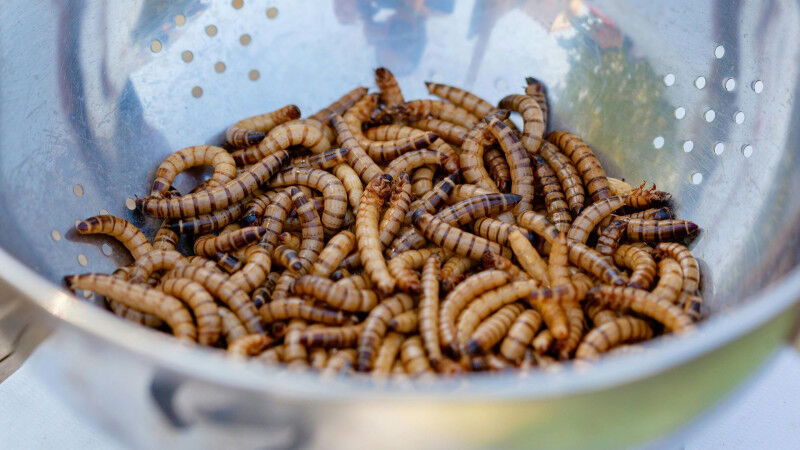
Insects are a sustainable and healthy source of protein. Nevertheless, they rarely end up on our plates. Why is that? A study led by the BFH-HAFL shows: It is not facts that decide whether we want to eat crickets & co. but taste and emotions
From Field and Barn to Plate: Agroscope’s New Work Programme Places a Greater Focus on Impact and Practical Benefits
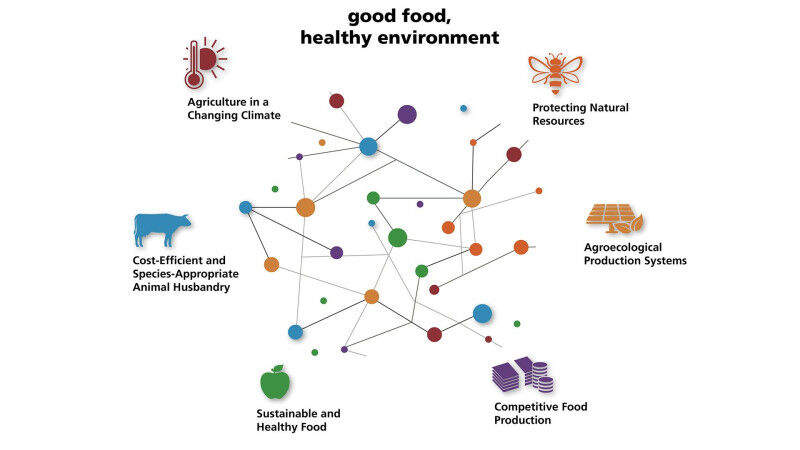
Press release Agroscope-s 2026-2029 Work Programme addresses the most important challenges facing the Swiss agriculture and food sector, and agricultural practitioners in particular.
Plant protection with fewer chemicals would have positive global effects
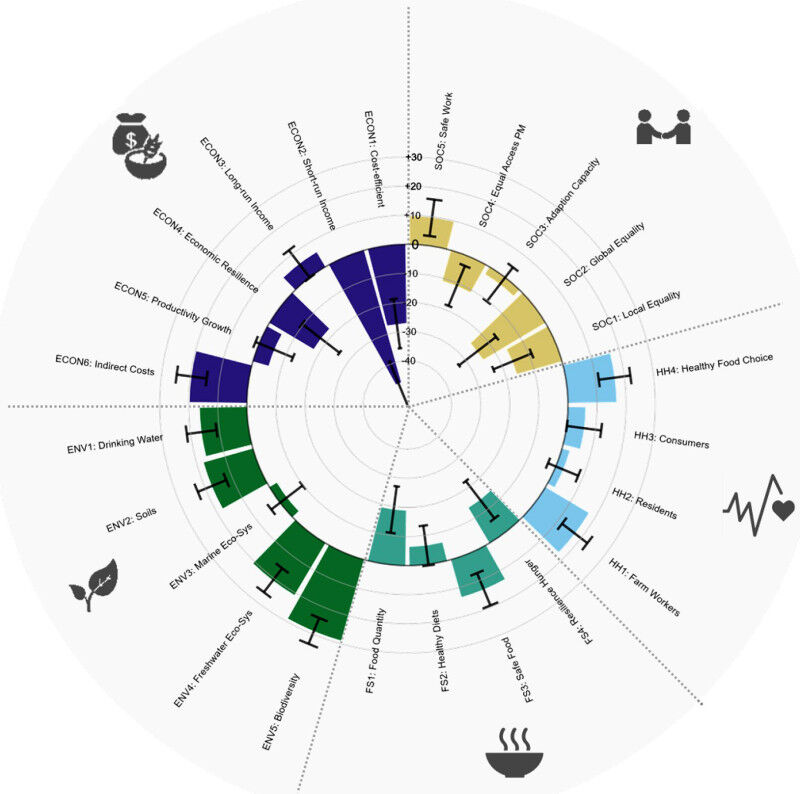
What would happen if farmers around the world switched to sustainable plant protection? A study published today in Nature Communications, with the participation of Eawag and ETH Zurich, investigated this question. Most of the more than 500 experts surveyed believe that the long-term consequences would be positive - even from an economic perspective. However, the prevailing effects would vary depending on the region of the world.
New data on the eating habits of children and adolescents in Switzerland
For the first time, a national survey has provided a comprehensive overview of the eating habits of children and adolescents in Switzerland. The results of the menuCH-Kids study, published on 13 November 2025, by the Federal Food Safety and Veterinary Office (FSVO), indicate that most young people aged 6 to 17 consume adequate amounts of essential nutrients such as carbohydrates, protein, fat, and fibre.
Fachseminar Freiheitsbeschränkende und bewegungseinschränkende Massnahmen in der Behindertenarbeit Hochschule Luzern

Smart Farming - digitale Technologien in der Landwirtschaft Berner Fachhochschule


