The device takes the form of a small box in which the reaction medium circulates between two electrodes producing the electric field.
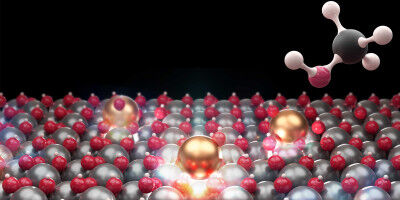
A team from the University of Geneva has developed an electrical device that makes it easy to activate chemical reactions in a 'greener' way. The device takes the form of a small box in which the reaction medium circulates between two electrodes producing the electric field. Stefan Matile New pharmaceuticals, cleaner fuels, biodegradable plastics: in order to meet society's needs, chemists have to develop new synthesis methods to obtain new products that do not exist in their natural state. A research group at the University of Geneva , in collaboration with Cardiff University, has discovered how to use an external electric field to control and accelerate a chemical reaction, like a ''switch''. This work, to be read in Science Advances , could have a considerable impact on the development of new molecules, enabling not only more environmentally friendly synthesis, but also very simple external control of a chemical reaction. In chemistry, creating complex organic chemical compounds from simpler reagents is denoted ''organic synthesis''. Through successive reactions, chemists assemble small molecules to ultimately form the desired products.
UM DIESEN ARTIKEL ZU LESEN, ERSTELLEN SIE IHR KONTO
Und verlängern Sie Ihre Lektüre, kostenlos und unverbindlich.
Ihre Vorteile
- Zugang zu allen Inhalten
- Erhalten Sie Newsmails für Neuigkeiten und Jobs
- Anzeigen veröffentlichen