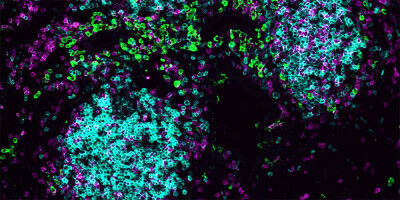
A team from Geneva, Switzerland, shows that the disruption of lipid temporal profiles in type 2 diabetes stiffens the membrane of pancreatic endocrine cells, which could alter their function. Like all living beings, human physiological processes are influenced by circadian rhythms. The disruption of our internal clocks due to an increasingly unbalanced lifestyle is directly linked to the explosion in cases of type 2 diabetes. By what mechanism? A team from the University of Geneva and the University Hospitals of Geneva (HUG), in Switzerland, is lifting part of the veil: this disturbance disrupts the metabolism of lipids in the cells that secrete glucose-regulating hormones. Sphingolipids and phospholipids, lipids located on the cell membrane, seem to be particularly affected. This change in lipid profiles then leads to a rigidity of the membrane of these cells. These results, to be read in the journal PLOS Biology , provide further evidence of the importance of circadian rhythms in metabolic disorders.
UM DIESEN ARTIKEL ZU LESEN, ERSTELLEN SIE IHR KONTO
Und verlängern Sie Ihre Lektüre, kostenlos und unverbindlich.